Progressive design-build is often described as a delivery method, but the valuable part is a working period: the months between selection and the guaranteed maximum price, when the owner, designer and contractor decide what the project actually is. Owners who treat that period as a formality get a conventional project with a different contract cover.
Start with the decisions that cost the most
The first workshops should identify the choices that are expensive to reverse: process technology, building location, phasing, major equipment and the level of redundancy. Each decision gets a cost range, a schedule effect and a risk note. The goal is not to design in a conference room; it is to make sure the design team is solving the right problem.
Estimate continuously, not at the end
We update the cost model at every design milestone and show the owner the delta from the previous version. That gives the owner a way to trade scope against budget while the design is still open. A target-value design process without a live cost model is just a design process.
Bring the field into the room
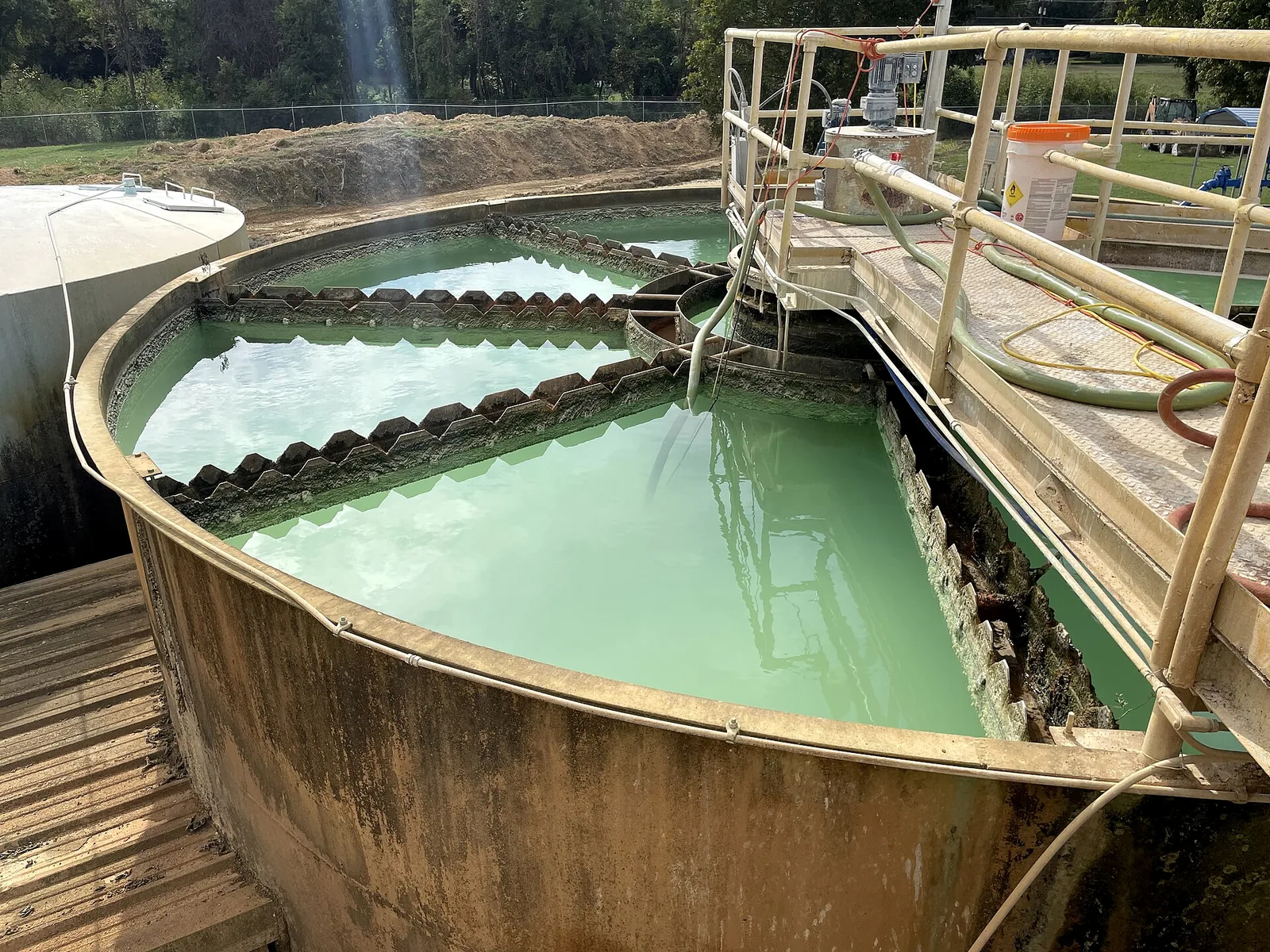
The superintendent reviews access, crane positions, formwork repetition and tie-in sequence while those decisions can still change. On treatment plant projects, the commissioning sequence is part of that review: if a basin cannot be tested independently, the design needs to change now, not at start-up.
Define the GMP honestly
The guaranteed maximum price is a statement about a defined scope, a schedule and a set of assumptions. The assumptions matter as much as the number. We publish them alongside the GMP, with allowances and contingency identified separately, so the owner can see what is fixed and what is still a forecast.
Make decisions visible
A decision log with named owners and dates is unglamorous and extremely effective. Every open decision that affects cost or schedule is tracked until it is closed. Owners can see what is waiting on them, and the project does not lose weeks to a question that was asked in a meeting and never answered.
The payoff
Done well, progressive design-build produces a design that is buildable, a price the owner understands, and a team that has already solved the interface problems before the first shovel. Done poorly, it is a traditional project with more meetings. The difference is how seriously the preconstruction period is treated.