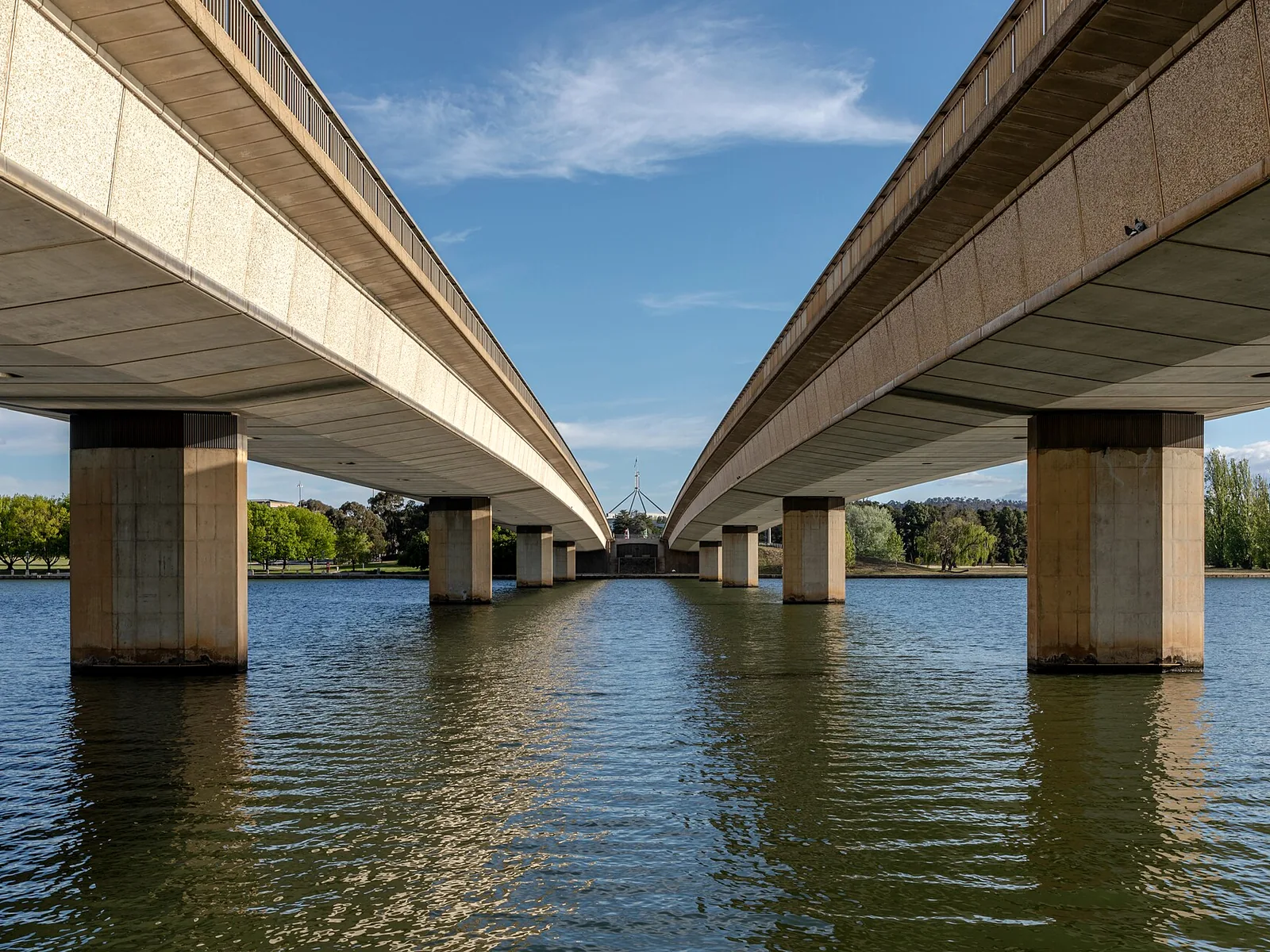
Bridge Construction & Rehabilitation
Cast-in-place, precast and steel girder bridges built around live traffic and moving water.
We have built and rehabilitated more than 120 bridges across the Pacific Northwest, from two-span creek crossings to 1,200-foot segmental structures over tidal water. The common thread is control: of the work sequence, the river, the travelling public and the concrete.
Scope of work
- Cast-in-place substructure and superstructure
- Precast and steel girder erection
- Deck replacement, widening and overlays
- Seismic retrofit and bearing replacement
- Scour countermeasures and channel work
- Temporary works, detours and bypass structures
Technical capabilities
- Post-tensioned and segmental concrete
- Steel plate girder fabrication and erection
- Driven pile, drilled shaft and cofferdam foundations
- Joint replacement and deck rehabilitation
- Hydraulic and scour analysis coordination
- Underwater inspection and repair crews
Built around live traffic
Most bridge work happens on structures that cannot close. We plan the job in stages that keep a lane, a sidewalk or a marine channel open — and we price the temporary works that make that possible instead of discovering them mid-project. Traffic control, falsework, shielding and detour structures are part of the base scope, not a change order.
What we self-perform
Our crews place and finish structural concrete, erect falsework and formwork, install girders and bearings, and run the survey and grade control that keeps the geometry true. Self-performing the critical path removes the coordination layer between the schedule and the people doing the work.
Rehabilitating what is already there
Deck replacement and seismic retrofit often deliver more service life per dollar than replacement. We survey the existing structure, identify the load path, and sequence demolition so the remaining structure is never asked to carry more than it was designed for. Bearing replacement, column jacketing, shear keys and deck overlays are routine work for our field teams.
Commissioning and handover
As-built survey, load-test documentation, maintenance manuals and owner training are built into the closeout schedule. The bridge opens with a complete record, not a folder of loose ends.
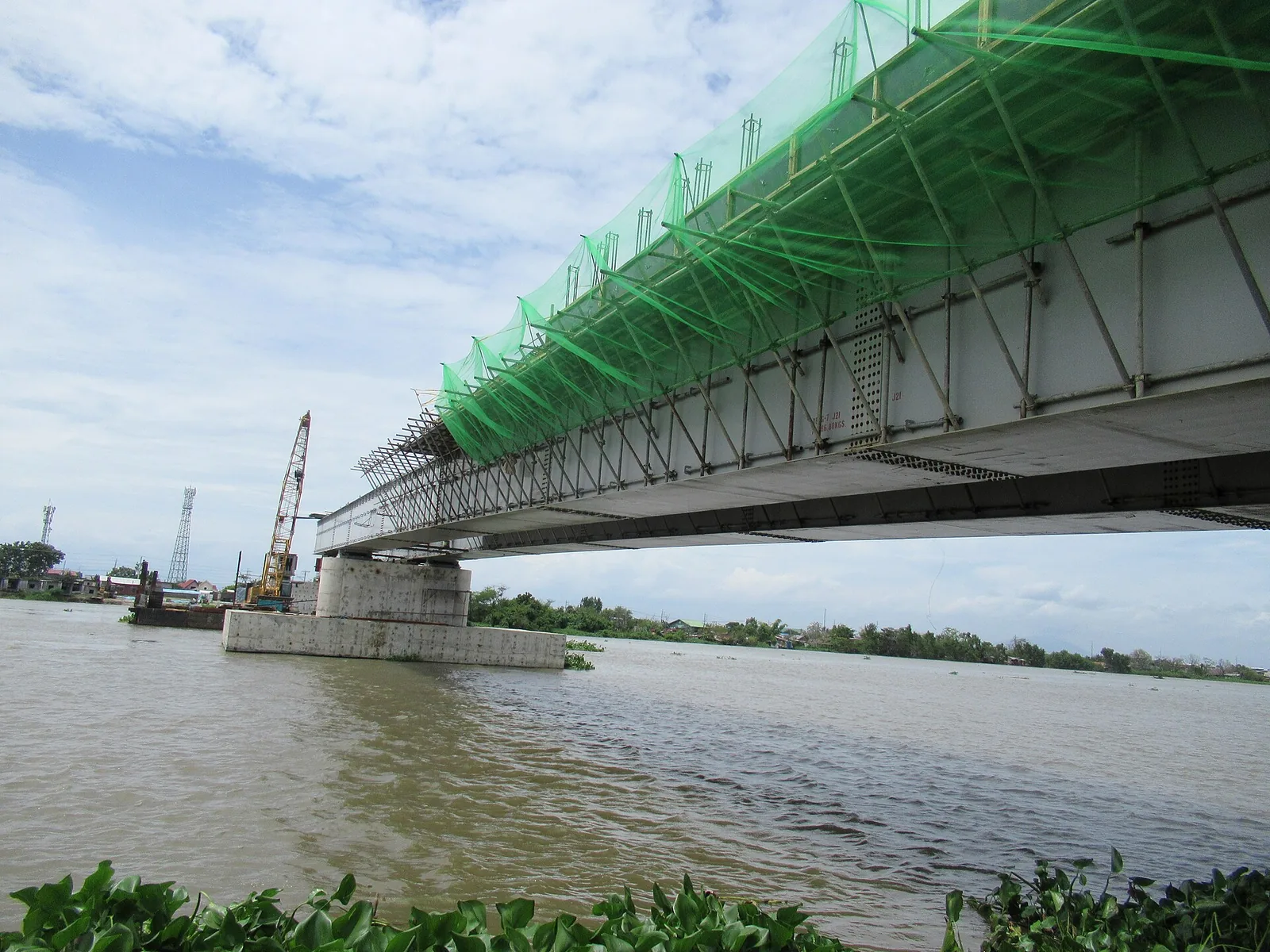
Bridge Construction & Rehabilitation in the field.
How does a contractor get on the Craneway Civil Construction bid list?
What is Craneway Civil Construction’s bonding capacity?
Do you self-perform concrete, earthwork and pipeline work?
How do you handle traffic control and public impact?
What delivery methods do you offer?
Let’s scope the work.
Send the drawings, the site constraints or the schedule. We will come back with a plan and an honest opinion.
Start a conversation