Safety, Quality & Environment
The standard we hold when nobody is watching.
Planned, not posted
A safety plan that lives in a binder does not protect anyone. Our safety program is built around the work the crew is about to do: the lift, the excavation, the tie-in, the traffic control setup. Every high-risk activity is planned before mobilization with the people who will perform it, and every crew has the authority to stop work when the plan does not match the field.
Safety is also a design input. If a detail can only be built from a ladder over water, we say so during preconstruction and change the detail.
The record
How the program works
Four systems that keep planning, field execution and documentation connected.
Site-specific safety plans
Written for the actual site, sequence and hazards — reviewed with the crew and updated when the work changes.
Field audits
Regular documented inspections by safety staff and supervisors, with corrective actions tracked to closure.
High-risk work planning
Crane lifts, confined space, work near live traffic and excavation near utilities each get a dedicated plan and a pre-task meeting.
Incident investigation
Every incident and near miss is investigated for root cause, with lessons shared across projects rather than kept on one site.
Built right, documented, and compliant
Quality control
Inspection and test plans are tied to specification sections, with hold points, testing frequencies and documented acceptance criteria. Concrete, welding, coatings and compaction are tested by independent labs.
Environmental compliance
Stormwater, erosion control, in-water work windows, contaminated soil handling and waste disposal are planned before mobilization and audited in the field.
Permit tracking
Every permit condition is assigned to a named person and tracked on the construction schedule, so a reporting deadline is never a surprise.
Closeout documentation
Testing records, as-builts, O&M manuals and warranty information are compiled as the work progresses, not reconstructed at the end.
Safety is a crew issue
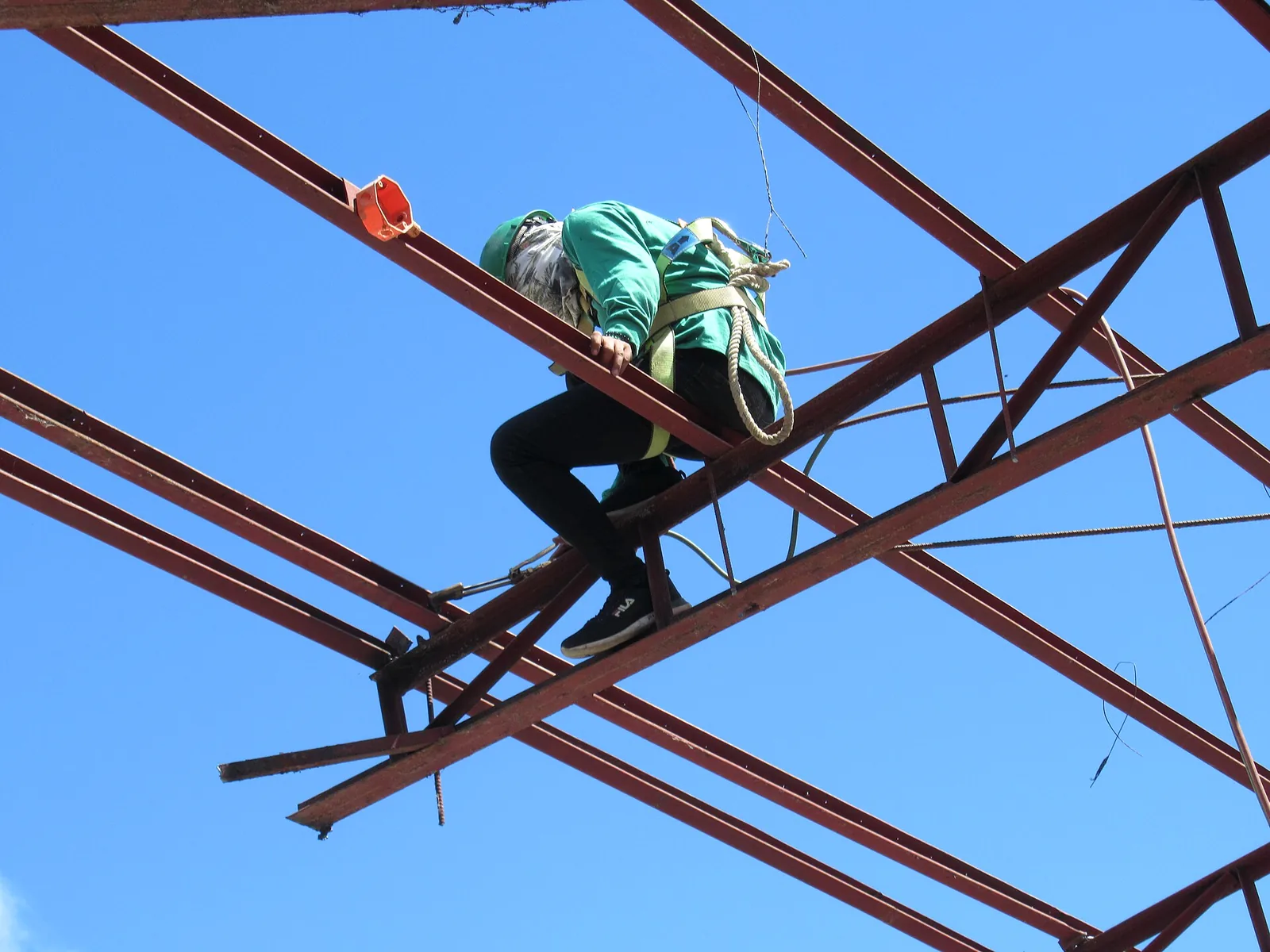
Our superintendents are evaluated on safety performance the same way they are evaluated on schedule and cost. Crews are encouraged to report near misses without blame, and our safety director spends most of the week in the field.
We also invest in the next generation of workers through apprenticeship and training programs. A well-trained crew is a safer crew, and it builds better work.
Need our safety and quality documentation?
Current EMR letters, safety statistics, quality program summaries and insurance certificates are included in our prequalification packet.
Request prequalification packet